Why is Quality Sleep Important for Overall Health?
Quality sleep is crucial for maintaining good physical health, clear thinking, and emotional wellbeing. While you sleep, your body carries out important functions such as repairing tissues, organizing memories, balancing hormones, and boosting immune function. When you don’t get enough sleep, you increase your chances of developing heart disease, diabetes, obesity, and mental health issues. In fact, sleep is essential for heart health, and a lack of it can significantly increase the risk of cardiovascular problems.
The Impact of Sleep Disorders
Sleep disorders can disrupt these vital processes and affect millions of Australians. Here are some common sleep disorders:
- Sleep apnoea: This condition causes repeated breathing interruptions during sleep, leading to decreased oxygen levels and disrupted sleep cycles.
- Chronic snoring: Not only does chronic snoring disturb your partner’s sleep, but it may also indicate an underlying airway obstruction that requires medical attention.
- Restless legs syndrome: This disorder causes uncomfortable sensations in the legs, making it nearly impossible to fall asleep. Restless legs syndrome can severely impact the quality of your sleep.
- Insomnia: People with insomnia struggle to fall asleep or stay asleep, resulting in insufficient restorative sleep.
These sleep disorders can lead to various daytime symptoms:
- Persistent fatigue and low energy
- Difficulty concentrating or remembering information
- Mood changes such as irritability and depression
- Increased risk of accidents while driving or operating machinery
- Decreased work performance and productivity
The Importance of Diagnosis
If left untreated, sleep disorders can worsen over time and become serious health threats. To achieve quality sleep, it is essential to accurately diagnose any existing sleep disorders through professional evaluation.
A sleep study Hobart offers comprehensive data necessary for identifying the factors disrupting your rest. With this information, healthcare professionals can create an effective treatment plan tailored specifically to your condition.
What is a Sleep Study (Polysomnograph) and How Does it Help Diagnose Sleep Disorders?
A polysomnograph (PSG) is a comprehensive diagnostic test that monitors your body’s functions throughout the night to identify sleep-related problems. This non-invasive test records brain waves, oxygen levels in your blood, heart rate, breathing patterns, and eye and leg movements while you sleep.
The diagnostic test works by capturing detailed physiological data that reveals disruptions in your sleep architecture. Sleep physicians analyze these recordings to pinpoint exactly what’s preventing you from achieving restorative rest. The technology has advanced significantly, making it possible to conduct accurate assessments both in clinical settings and at home.
Which Sleep Disorders Can Be Identified?
Sleep studies excel at detecting a range of conditions that compromise sleep quality:
- Sleep apnoea – characterized by repeated breathing interruptions during sleep, often accompanied by loud snoring and daytime fatigue
- Restless legs syndrome – an uncomfortable urge to move the legs that intensifies at night
- Periodic limb movement disorder – involuntary leg twitching or jerking during sleep
- Narcolepsy – excessive daytime sleepiness and sudden sleep attacks
- Insomnia patterns – difficulties falling asleep or staying asleep throughout the night
The polysomnograph captures subtle physiological changes that might go unnoticed during a standard medical examination. For instance, sleep apnoea events can occur hundreds of times per night without the person being consciously aware of them.
Why Does Early Diagnosis Matter?
Identifying sleep disorders promptly prevents serious health complications from developing. Untreated sleep apnoea increases the risk of high blood pressure, heart disease, stroke, and type 2 diabetes. The condition also contributes to workplace accidents and motor vehicle crashes due to excessive daytime sleepiness.
Early intervention through proper diagnosis allows for targeted treatment plans. Patients who receive timely treatment experience improved energy levels, better mood regulation, enhanced cognitive function, and reduced cardiovascular risk. The data from a sleep study provides objective evidence that guides treatment decisions, whether that involves lifestyle modifications, oral appliances, CPAP therapy, or other interventions.
How Are Sleep Studies Conducted in Hobart?
Hobart sleep services offer two primary testing environments: a hospital sleep laboratory and home-based sleep study options. Both methods collect the same essential data about your sleep patterns, but they differ significantly in setting, convenience, and cost.
1. In-Lab Sleep Studies
Hospital sleep laboratory testing requires an overnight stay in a clinical facility. You’ll sleep in a dedicated room equipped with monitoring equipment while trained technicians observe your sleep throughout the night. The controlled environment ensures comprehensive data collection, though some patients find it challenging to sleep naturally in an unfamiliar setting.
2. Home-Based Sleep Studies
A home-based sleep study allows you to complete the diagnostic test in your own bedroom. You’ll receive portable monitoring equipment to wear during your regular sleep hours. This approach captures your typical sleep patterns without the disruption of a clinical environment, often providing more accurate results that reflect your actual nightly experience.
Key Differences Between Testing Methods
| Aspect | In-Lab Study | Home Study |
| Location | Hospital facility | Your own bed |
| Supervision | Real-time monitoring | Self-administered |
| Cost | Higher (facility fees) | Lower (no bed fees) |
| Wait Times | Weeks to months | Days to one week |
| Comfort Level | Clinical environment | Familiar surroundings |
Accessibility in Hobart
Services like Hobart Sleep Solutions provide both testing options to accommodate different patient needs and preferences. Your GP, ENT surgeon, or medical specialist can refer you to either pathway based on your specific symptoms and circumstances. The availability of bulk-billed home studies through Medicare makes sleep testing more accessible to Hobart residents without requiring private health insurance.
What Should Patients Expect During a Home Sleep Study Procedure?
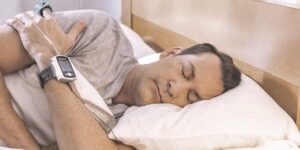
The home sleep study procedure involves wearing a compact monitoring device overnight that tracks your sleep patterns through non-invasive sensors. You’ll receive the equipment from your sleep clinic with clear instructions on how to attach the sensors before bedtime, making the setup straightforward enough to complete independently.
Setting Up the Monitoring Equipment
Small adhesive leads attach to specific points on your body to capture comprehensive sleep data. The chest area receives sensors for respiratory effort and heart rate monitoring, while a finger probe measures blood oxygen saturation levels throughout the night. Additional sensors may be placed on your legs to detect periodic limb movements that could indicate restless legs syndrome.
The nasal cannula—a thin tube positioned beneath your nostrils—tracks airflow and breathing patterns. This component proves essential for identifying breathing interruptions characteristic of sleep apnoea. Most patients report that these sensors feel minimally intrusive once they settle into bed.
Key Monitoring Parameters Tracked
Your home sleep study captures multiple vital monitoring parameters simultaneously:
- Sleep quality and quantity through movement and position sensors
- Heart rate variability via chest electrodes
- Breathing rate and patterns using nasal airflow sensors
- Blood oxygen levels measured by pulse oximetry
- Leg movements detected through limb sensors
- Body position throughout the sleep period
Sleeping Naturally During the Test
Despite wearing monitoring equipment, you maintain complete freedom to move, change positions, and sleep in your preferred manner. The device records continuously without requiring any interaction once you’ve activated it. If you need to use the bathroom during the night, the equipment remains attached and continues collecting data.
The sensors connect to a small recording unit typically worn on a belt or placed on your nightstand. This compact design allows you to sleep in your own bed using your regular pillows and bedding, creating conditions that closely mirror your typical sleep environment—a significant advantage for obtaining accurate diagnostic information about your natural sleep patterns.
What Are the Advantages of Choosing a Home Sleep Study in Hobart?
Home sleep studies eliminate the stress of sleeping in an unfamiliar hospital environment. Your own bedroom provides the natural setting where you typically experience sleep difficulties, allowing the test to capture authentic data about your sleep patterns without the artificial constraints of a clinical setting.
Key benefits of home-based testing include:
- Familiar surroundings – Sleep in your own bed with your regular pillows, temperature settings, and bedtime routine intact
- Freedom of movement – Unlike in-lab studies, you can move naturally throughout the night without worrying about disconnecting wires or disturbing equipment
- No accommodation costs – Hospital bed fees don’t apply to home studies, making this option significantly more affordable
- Rapid scheduling – Most home sleep studies in Hobart can be arranged within days to a week, compared to months-long waiting lists for in-lab appointments
The comfort advantage extends beyond physical surroundings. Many patients report reduced anxiety when testing at home, which can actually improve the accuracy of results. Hospital environments often create “first night effect,” where patients sleep poorly due to unfamiliar noises, lighting, and the presence of monitoring staff.
Financial accessibility represents another major advantage. Home sleep studies typically qualify for Medicare rebates without requiring private health insurance coverage. This makes diagnostic testing available to a broader range of Hobart residents who might otherwise delay seeking help for sleep problems due to cost concerns.
The convenience factor particularly benefits shift workers, parents with young children, or individuals with mobility challenges who find overnight hospital stays difficult to arrange. You may like to visit https://body-philosophy.net/how-to-prepare-for-your-sleep-study-melbourne-appointment/ to get how to prepare for your sleep study Melbourne appointment.
How Is the Data From a Sleep Study Analyzed and Used for Diagnosis and Treatment Planning?
Registered Sleep Physicians and Sleep Scientists examine every piece of data collected during your study to identify patterns and abnormalities in your sleep. These specialists review hours of recordings that capture your brain waves, breathing patterns, oxygen levels, heart rhythm, and body movements throughout the night.
1. Analyzing the Data
The data analysis process involves scoring each sleep stage and documenting any disruptions or irregular events. Sleep Scientists typically perform the initial detailed analysis, measuring metrics like the Apnoea-Hypopnoea Index (AHI), which counts breathing interruptions per hour. They also assess sleep architecture—how much time you spend in light sleep, deep sleep, and REM sleep.
2. Interpreting the Findings
Sleep Physicians then interpret these findings within the context of your medical history and symptoms. A patient experiencing 30 breathing pauses per hour might receive a moderate sleep apnoea diagnosis, while someone with frequent leg movements could be diagnosed with periodic limb movement disorder. The physician considers factors like:
- Severity and frequency of breathing disturbances
- Blood oxygen desaturation levels during sleep
- Sleep fragmentation and arousal patterns
- Presence of snoring or other respiratory events
- Movement disorders affecting sleep quality
3. Creating a Treatment Plan
This comprehensive evaluation produces a detailed diagnostic report that outlines specific sleep disorders identified and their severity. The report becomes the foundation for creating your personalized treatment plan, whether that involves CPAP therapy, lifestyle modifications, dental appliances, or referral to other specialists. Your GP or referring doctor receives this report with clear recommendations for next steps in managing your sleep health.
What Can Patients Expect After Completing Their Sleep Study?
Patients receive a comprehensive diagnostic report within 7-10 business days of completing their sleep study. The report comes directly from registered Sleep Physicians who have analyzed every aspect of the recorded data, providing an independent medical assessment rather than a preliminary screening.
The diagnosis results outline specific findings about sleep architecture, breathing patterns, oxygen saturation levels, and any identified sleep disorders. Patients typically receive these results through their referring doctor, who reviews the findings during a follow-up appointment. This post-study process ensures that medical professionals can explain the diagnosis in detail and answer questions about what the results mean for daily life.
Common outcomes from sleep study reports include:
- Confirmation or exclusion of obstructive sleep apnoea (OSA)
- Severity grading of identified sleep disorders (mild, moderate, or severe)
- Documentation of oxygen desaturation events during sleep
- Analysis of sleep stage distribution and quality
- Identification of periodic limb movements or other sleep disruptions
The referral pathways vary depending on diagnosis severity and type. Patients diagnosed with mild sleep apnoea might receive lifestyle modification recommendations and dental device referrals. Those with moderate to severe obstructive sleep apnoea typically receive prescriptions for CPAP (Continuous Positive Airway Pressure) therapy, with guidance on equipment suppliers and mask fitting appointments.
Specialist consultations become necessary when complex sleep disorders emerge or when initial treatments prove ineffective. ENT surgeons evaluate anatomical obstructions that might require surgical intervention. Respiratory physicians manage cases involving overlap with lung conditions. Sleep psychologists address behavioral sleep disorders like insomnia or circadian rhythm disruptions.
Your First Step to Quality Sleep: A Sleep Study Hobart connects patients with appropriate treatment providers based on their specific diagnosis. The referring GP coordinates this care pathway, though some patients receive direct specialist referrals from the Sleep Physician’s report. Medicare rebates apply to many follow-up consultations, making ongoing treatment accessible for most patients. You may like to visit https://www.betterhealth.vic.gov.au/health/conditionsandtreatments/sleep-deprivation to get more about sleep deprivation.
Is Starting with a Sleep Study the First Step Towards Quality Sleep?
Yes, a sleep study is your essential first step to quality sleep. Without proper diagnosis, you’re essentially treating symptoms in the dark, never addressing the root cause of your sleep problems.
Hobart offers accessible pathways to better sleep health that remove traditional barriers. The availability of both in-lab and home-based options means you can choose what works best for your lifestyle and comfort level. Home sleep studies eliminate the intimidation factor of hospital environments while delivering the same diagnostic accuracy.
The Hobart sleep study benefits extend beyond convenience:
- Quick scheduling within days to a week
- Bulk-billed options with Medicare rebates
- No private health insurance requirements
- Analysis by registered Sleep Physicians and Scientists
- Clear diagnosis leading to targeted treatment plans
Many people in Hobart continue suffering through sleepless nights, morning fatigue, and daytime drowsiness simply because they haven’t taken this crucial first step. They try over-the-counter remedies, adjust their bedtime routines, or resign themselves to poor sleep as “normal.”
A diagnostic sleep study cuts through the guesswork. It provides concrete data about what’s happening while you sleep—information you simply cannot gather on your own. Whether you’re dealing with undiagnosed sleep apnoea, restless legs syndrome, or another sleep disorder, the path to treatment begins with understanding the problem.
Your first step to quality sleep starts with a conversation with your GP about a referral. Hobart’s sleep services are designed to be accessible, affordable, and patient-centered. The investment of one night’s monitoring can unlock years of better sleep, improved health, and enhanced quality of life.
Don’t let another month of poor sleep pass by. The diagnostic tools, specialist expertise, and treatment options available in Hobart are waiting to help you reclaim restful nights.