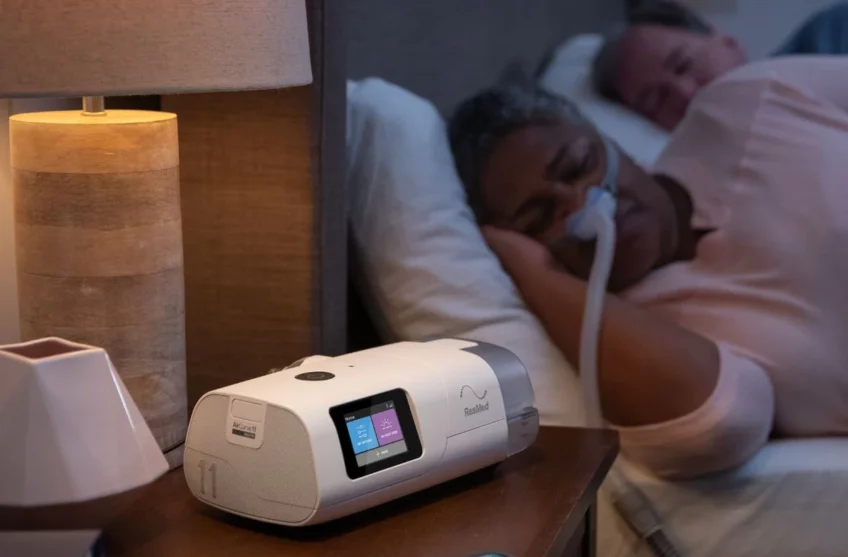
This guide explains what a home oxygen machine is, who typically needs one, how it works at home, and what to consider before using it.
What is a home oxygen machine?
A home oxygen machine is equipment designed to provide a person with supplementary oxygen in their own home. It helps raise oxygen levels in the blood when the lungs cannot absorb enough from normal air.
In everyday speech, people often mean an oxygen concentrator, but “home oxygen” can also include oxygen cylinders or liquid oxygen systems. The right set-up depends on medical need, lifestyle, and a clinician’s prescription.
How does a home oxygen machine work?
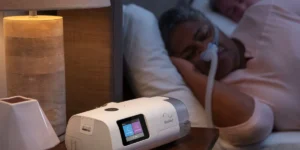
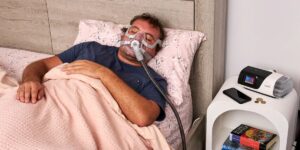
Most home systems in the UK use an oxygen concentrator, which pulls in room air, removes much of the nitrogen, and delivers oxygen-enriched air through tubing. It runs on mains electricity and provides a steady flow for many hours a day.
Oxygen is usually delivered via nasal cannula (small prongs in the nostrils) or a mask. The flow rate is set by a clinician, and it should not be changed without medical advice.
Who typically needs home oxygen?
Home oxygen is usually prescribed for people with persistently low blood oxygen levels, confirmed by clinical tests. It is most commonly associated with chronic lung or heart conditions, where oxygen levels can drop at rest, during sleep, or with activity.
Conditions that may lead to home oxygen include COPD, severe asthma in some cases, pulmonary fibrosis, bronchiectasis, pulmonary hypertension, and advanced heart failure. It may also be used after some serious respiratory infections or hospital admissions, but only if tests show ongoing need.
How do clinicians decide if someone needs it?
They decide using objective measurements, not symptoms alone. Breathlessness can be caused by many issues, and oxygen is only helpful when oxygen levels are actually low.
Common assessments include pulse oximetry and arterial blood gas tests, often repeated over time and sometimes after a period of stability. Some people also need overnight oximetry or exercise tests to see whether oxygen drops during sleep or movement.
What are the main types of home oxygen systems?
The main options are concentrators, cylinders, and liquid oxygen. Each has a different balance of convenience, portability, and supply management.
Concentrators are popular for continuous, at-home use because they do not need refilling. Cylinders can be used as a back-up or for short trips outside. Liquid oxygen, where available, can support higher flow needs and portability, but it requires deliveries and specialist handling.
Can someone use a home oxygen machine without a prescription?
They should not. Using oxygen without proper assessment can be unsafe, especially for people who retain carbon dioxide or have other medical factors that change how their body responds to oxygen.
In the UK, long-term home oxygen is typically arranged through NHS pathways or private respiratory services after formal testing. If someone suspects low oxygen, the safest step is to seek medical review rather than self-treat.
What benefits can home oxygen provide?
For people who meet the clinical criteria, home oxygen can reduce strain on the heart and other organs by improving blood oxygen levels. It may improve sleep quality, reduce headaches linked to low oxygen overnight, and increase tolerance for daily activity when oxygen drops with exertion.
For certain groups, such as those with severe resting hypoxaemia, long-term oxygen therapy can also improve survival. The benefit depends on the underlying condition and whether oxygen is used as prescribed.
What are the risks and side effects to watch for?
The biggest risk is fire. Oxygen itself is not flammable, but it makes flames burn faster and hotter, so strict safety rules are essential.
Other issues can include nasal dryness, nosebleeds, skin irritation where tubing touches the face, and tripping hazards from long tubing runs. Some people may feel uncomfortable or anxious at first, which often improves with fitting adjustments and support.
What safety rules should be followed at home?
They should keep oxygen well away from smoking, candles, gas hobs, open fires, and any source of sparks or heat. No one should smoke in the home where oxygen is in use, and ideally not near entrances or windows where oxygen tubing might be present.
Equipment should be used upright, with vents clear, and not covered by clothing or bedding. Tubing should be routed to reduce fall risk, and hands should be clean of oil-based products, as some oils and greases can be hazardous around oxygen.
Other Resources : Safety inside and outside the house | Communities and Justice
How do they know if the oxygen flow is correct?
They will be given a prescribed flow rate, sometimes different for rest, sleep, and activity. The correct setting is the one that meets the prescribed target based on clinical testing, not a setting that simply “feels better”.
If symptoms change, saturations are persistently low, or they feel unusually drowsy or confused, they should seek clinical advice. They should not increase oxygen on their own without a review.
What practical considerations matter when choosing equipment?
Noise level, space, electricity use, and back-up planning all matter. A concentrator needs a stable power supply and enough clearance for airflow, and some households prefer a longer tubing run so the machine can sit in a less-used room.
Portability matters if oxygen is needed outside the home. Some people benefit from a smaller portable concentrator, while others need lightweight cylinders for outings. A clinician or oxygen service provider usually helps match equipment to the person’s usage pattern.
When should they speak to a clinician urgently?
They should seek urgent help if they develop severe breathlessness, chest pain, blue lips or face, confusion, fainting, or a sudden drop in oxygen saturations if they have been advised to monitor them. Oxygen equipment is not a substitute for emergency care.
They should also request review if they are using oxygen more than prescribed, waking frequently breathless, or struggling to manage daily life despite treatment.
What is the bottom line on who needs a home oxygen machine?
A home oxygen machine is for people whose oxygen levels are proven to be low, usually due to lung or heart disease, and who benefit from prescribed supplemental oxygen. It is not a general treatment for breathlessness, fatigue, or anxiety without measured hypoxaemia.
The safest route is testing first, then a prescription and set-up that fits the person’s condition and lifestyle. When it is correctly prescribed and used safely, home oxygen can make daily living more stable and manageable.
More to Read : What Is an Oxygen Concentrator and How Does It Work?
FAQs (Frequently Asked Questions)
What is a home oxygen machine and how does it help?
A home oxygen machine is equipment designed to provide supplementary oxygen at home, helping raise blood oxygen levels when the lungs can’t absorb enough from normal air. It ensures the body gets the oxygen needed to function comfortably and safely.
Who typically needs home oxygen therapy?
Home oxygen is usually prescribed for people with persistently low blood oxygen levels due to chronic lung or heart conditions such as COPD, pulmonary fibrosis, bronchiectasis, pulmonary hypertension, severe asthma in some cases, or advanced heart failure. It may also be used after serious respiratory infections if tests show ongoing need.
How do clinicians determine if someone requires home oxygen?
Clinicians use objective assessments like pulse oximetry and arterial blood gas tests to measure oxygen levels, often repeated over time. Additional tests like overnight oximetry or exercise testing may be done to see if oxygen drops during sleep or activity. Oxygen therapy is only prescribed when low oxygen levels are confirmed, not based on symptoms alone.
What types of home oxygen systems are available and how do they differ?
The main types include oxygen concentrators, cylinders, and liquid oxygen systems. Concentrators pull in room air and deliver enriched oxygen continuously using mains electricity, ideal for at-home use. Cylinders are portable and often used as backup or for short trips. Liquid oxygen supports higher flow rates and portability but requires specialist delivery and handling.
What safety precautions should be observed when using home oxygen machines?
Oxygen users must keep equipment away from smoking, open flames, candles, gas hobs, and any spark sources as oxygen accelerates fire risk. Smoking is strictly prohibited near the equipment or in the home where oxygen is used. Equipment should be placed upright with clear vents; tubing should be arranged to prevent tripping hazards. Hands should be free from oil-based products before handling equipment due to fire risks.
Can I use a home oxygen machine without a prescription?
No. Using home oxygen without proper medical assessment can be unsafe, especially for individuals with carbon dioxide retention or other conditions affecting oxygen response. In the UK, long-term home oxygen is prescribed following formal testing through NHS or private respiratory services. If you suspect low oxygen levels, seek medical review rather than self-treating.