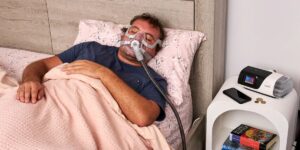
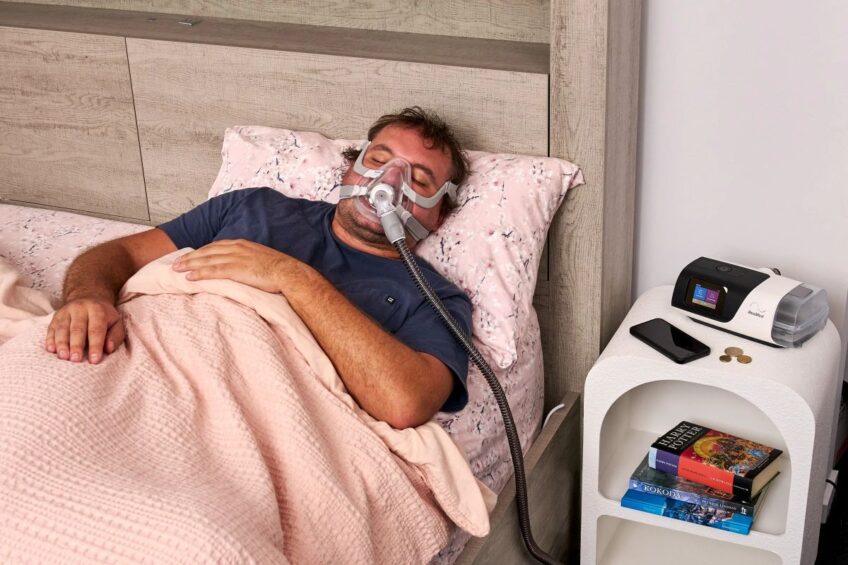
It is widely used at home, in clinics, and during travel for people whose lungs cannot absorb enough oxygen, including some with COPD, pulmonary fibrosis, or certain heart conditions, when prescribed.
What is an oxygen concentrator?
An oxygen concentrator is a medical device that takes in room air and delivers oxygen-enriched air to the user. It does this continuously while it is powered, rather than relying on a finite supply like a cylinder.
Most people receive oxygen through a nasal cannula or a mask connected to the device. Concentrators are typically designed for home use (stationary units) or mobility (portable units).
How does an oxygen concentrator work?
It works by filtering and separating the gases in room air so the user receives a higher percentage of oxygen. Room air is roughly 21% oxygen, and a concentrator increases that oxygen concentration for inhalation.
Internally, the device pulls air in, removes impurities, and uses a separation system to reduce nitrogen, which is the largest component of air. The result is oxygen-enriched gas delivered at a set flow.
What are the main parts inside the machine?
Most concentrators share a similar internal layout: an air intake filter, a compressor, sieve beds, valves, a product tank, sensors, and an outlet for delivery. Each part supports stable oxygen output and safe operation.
Filters reduce dust and particles, the compressor moves air through the system, and the sieve beds do the gas separation. Sensors and alarms help detect low oxygen purity, blockages, or power issues.
What is “pressure swing adsorption” and why is it used?
Pressure swing adsorption (PSA) is the core method many concentrators use to separate oxygen from nitrogen. In simple terms, it uses specialised material that traps nitrogen more readily than oxygen.
Inside the machine are two “sieve beds” filled with a material often called zeolite. As compressed air passes through one bed, nitrogen is absorbed while oxygen flows onward; the second bed then regenerates by releasing nitrogen, and the cycle repeats.
What is the difference between continuous flow and pulse dose?
Continuous flow delivers a steady stream of oxygen at the selected rate, whether the person is inhaling or exhaling. Pulse dose delivers oxygen in small bursts timed to inhalation, which can conserve power and make portability easier.
Many portable oxygen concentrators are pulse-dose only, while many home units provide continuous flow. Suitability depends on the prescription, breathing pattern, and sometimes overnight needs.
Who typically uses an oxygen concentrator?
They are commonly prescribed for people with chronically low blood oxygen levels. This might include individuals with COPD, severe asthma in specific situations, interstitial lung disease, or recovery needs after certain illnesses or surgeries, depending on clinician advice.
A clinician usually confirms the need using pulse oximetry or arterial blood gas testing. They also specify the flow rate and when oxygen should be used, such as during sleep, exertion, or continuously.
Are oxygen concentrators the same as oxygen cylinders?
No, cylinders store oxygen under pressure and run out when the tank is empty, while concentrators generate oxygen from ambient air as long as power is available. Cylinders can deliver very high flows, but they require refills and safe storage.
Concentrators reduce dependence on deliveries, which many users find convenient. Some people keep a small cylinder as backup for power cuts, depending on their care plan. For a detailed overview, explore this resource on oxygen concentrators and how they are used in care settings.
What should they know about safety and everyday use?
Oxygen increases fire risk, so safety habits matter. They should keep the device away from flames, smoking, gas hobs, candles, and heat sources, and follow the supplier’s clearance guidance so air can circulate properly.
They should also maintain filters as instructed, avoid using oily or petroleum-based products near oxygen, and check tubing for kinks. If alarms sound or breathing worsens, they should follow the action plan provided by their clinician or oxygen supplier.
What are the key takeaways?
An oxygen concentrator is a powered device that delivers oxygen-enriched air by separating oxygen from room air, commonly using pressure swing adsorption. It does not “run out” like a cylinder, but it does rely on electricity, routine maintenance, and correct settings.
The right model and mode (continuous flow or pulse dose) should match the prescription and lifestyle needs. For safe, effective use, they should follow clinical guidance and the manufacturer’s instructions closely.
Related : What Is a Home Oxygen Machine and Who Needs One?
FAQs (Frequently Asked Questions)
What is an oxygen concentrator and how does it help with breathing support?
An oxygen concentrator is a medical device that takes in room air and delivers oxygen-enriched air to the user, helping people get more oxygen than the air alone can provide. Unlike oxygen tanks, it continuously produces a higher oxygen flow from the surrounding air on demand, supporting those whose lungs cannot absorb enough oxygen.
How does an oxygen concentrator work internally to increase oxygen concentration?
The device pulls in room air, filters out impurities, and uses a separation system called pressure swing adsorption to reduce nitrogen—the largest component of air. This process enriches the oxygen concentration from about 21% in room air to a higher percentage suitable for inhalation, delivering oxygen-enriched gas at a set flow rate.
What are the main components inside an oxygen concentrator?
Most concentrators contain an air intake filter to remove dust and particles, a compressor to move air through the system, sieve beds filled with zeolite material for gas separation, valves, a product tank, sensors for monitoring oxygen purity and device function, and an outlet for delivering the enriched oxygen to the user.
What is pressure swing adsorption (PSA) and why is it important in oxygen concentrators?
Pressure swing adsorption is a core method used by many oxygen concentrators to separate oxygen from nitrogen. It involves two sieve beds filled with zeolite that trap nitrogen selectively as compressed air passes through one bed while allowing oxygen to flow onward. The beds alternate between absorbing nitrogen and regenerating by releasing it, ensuring a continuous supply of enriched oxygen.
What is the difference between continuous flow and pulse dose delivery in portable and home oxygen concentrators?
Continuous flow delivers a steady stream of oxygen at the selected rate regardless of breathing phase, commonly used in home units. Pulse dose delivers small bursts of oxygen timed with inhalation, conserving power and enhancing portability; this mode is typical in many portable concentrators. The choice depends on prescription needs, breathing patterns, and sometimes overnight requirements.
Who typically requires an oxygen concentrator and how is its use prescribed?
Oxygen concentrators are prescribed for individuals with chronically low blood oxygen levels due to conditions like COPD, pulmonary fibrosis, severe asthma in certain cases, or after specific illnesses or surgeries. Clinicians determine need using tests such as pulse oximetry or arterial blood gases and specify flow rates along with when to use supplemental oxygen—during sleep, exertion or continuously—based on individual health status.